
They are also an easy control to implement quickly across slabs, footings, columns, retaining walls, and precast interfaces, especially where multiple trades are moving through tight access zones.
What counts as “exposed reinforcement” on an Australian site?
Exposed reinforcement is any protruding reo, starter bars, dowels, trench mesh ends, or cut mesh that a person could contact while working or walking past. If the steel is uncapped, low to the ground, at chest height, or near access ways, the risk increases fast.
Across Australian commercial and residential builds, this often shows up around slab penetrations, formwork edges, lift cores, strip footings, and retaining walls during staged pours.
Why are safety strip covers required on exposed reinforcement?
They are required because exposed reo can cause puncture wounds, deep cuts, and in worst cases impalement if someone trips or falls onto it. Safety strip covers provide a physical barrier and a visual cue that helps workers avoid contact in the first place.
They also support consistent controls when sites are changing daily, including during early concrete stages when temporary edges and trip hazards are common.
What injuries are safety strip covers actually trying to prevent?
They are mainly aimed at preventing impalement and lacerations, plus secondary injuries from trips, falls, and rushed movement around hazards. Even a minor stumble can become a major injury if it ends on protruding bars or cut mesh.
On Australian sites with mixed trades, delivery movements, and tight schedules, safety strip covers reduce the chance that a small mistake becomes a hospital job.
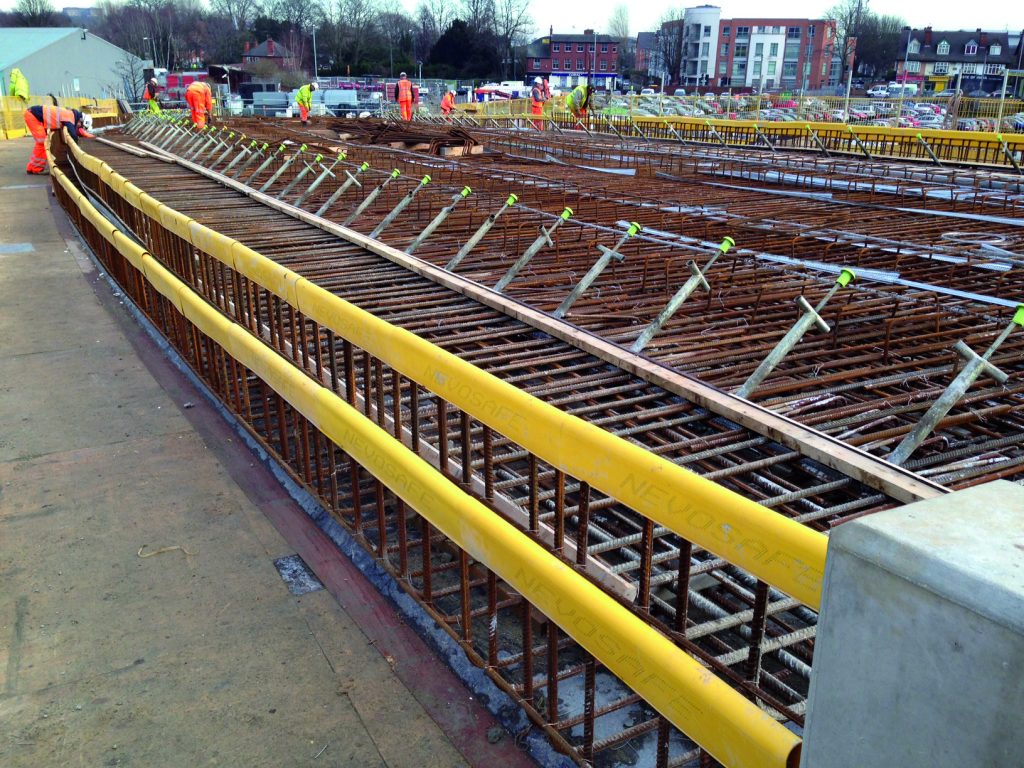
How do safety strip covers work compared with plastic caps?
Strip-style protection covers multiple bars or mesh edges in one run, which helps when steel is closely spaced or irregular. Single plastic caps can pop off, get missed, or fail to protect between bars, especially on mesh ends.
Because safety strip covers can clamp or grip along the steel line, they often provide more continuous coverage and clearer hazard marking across walkways and work zones.
When do safety strip covers need to be installed during the build?
They should be installed as soon as reinforcement becomes exposed and remains accessible to people. Waiting until “later” is how hazards sit unprotected during the busiest site periods, like set-out, formwork, and pre-pour checks.
Many Australian builders treat safety strip covers as standard during reo placement so the protection is in place before other trades enter the area.
Where are safety strip covers most critical on a typical Australian job?
They are most critical anywhere people are likely to walk, carry materials, or climb past the steel. Common hotspots include slab edges, around service penetrations, near temporary stairs, beside scaffolds, and along trenches where footing steel is exposed.
Any area with limited visibility, poor lighting, or frequent traffic benefits from safety strip covers because the cover both blocks contact and signals the hazard.
What do Australian safety expectations and guidance generally require?
Australian WHS duties require risks to be controlled so far as is reasonably practicable, with higher-order controls preferred where they can be applied effectively. For exposed reinforcement, this can involve eliminating the hazard, isolating the risk, or using suitable guarding or capping when elimination is not reasonably possible. Applying Australian WHS risk controls helps reduce exposure to preventable site hazards.
On many sites, safety strip covers are part of the expected guarding approach, especially when reinforcement cannot be bent down, removed, or fully barricaded during staged works.
Are safety strip covers always enough on their own?
Not always. They reduce contact risk, but they may not stop impalement in every fall scenario, especially from height or with high-energy impact. Higher-risk areas might also need exclusion zones, barriers, covered walkways, or changes to sequencing.
Used properly, safety strip covers are still a strong baseline control, but sites often combine them with good housekeeping, clear access routes, and supervision.
How do they support compliance and site consistency across contractors?
They support consistency because they are quick to install, easy to inspect, and simple to standardise across multiple teams. A clear rule such as “all exposed reo gets covered immediately” is easier to enforce than mixed approaches.
When principal contractors run inductions and daily pre-starts, safety strip covers provide a visible, auditable control that helps verify that the hazard has been treated.
What should they look for when choosing safety strip covers?
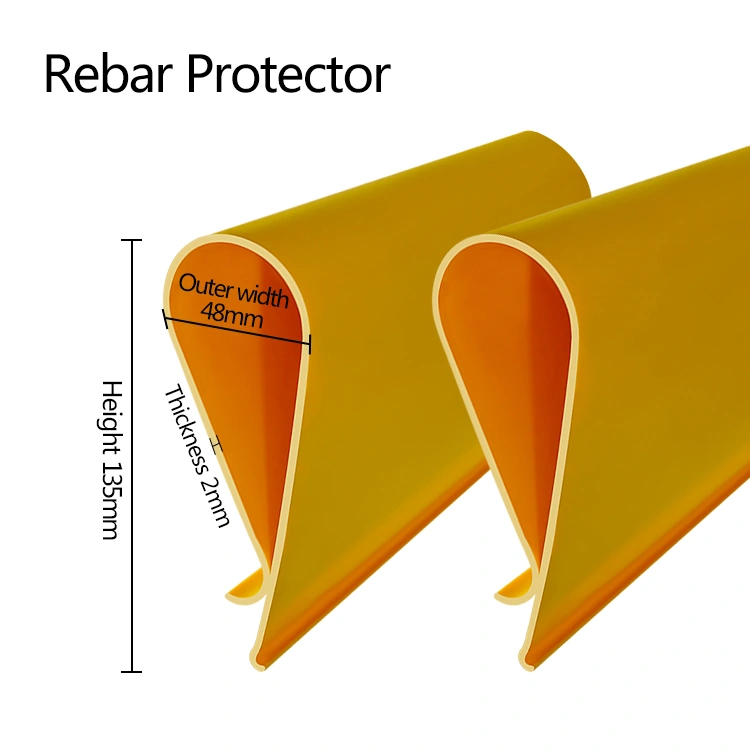
They should look for covers that fit the bar diameter or mesh profile, grip firmly, and remain in place through normal site vibration, weather, and handling. Bright colours help visibility, but fit and retention matter more than appearance.
For Australian conditions, safety strip covers should cope with UV exposure, rain, and dust, and they should not become brittle or loose after a short period in the sun.
How should safety strip covers be installed so they stay effective?
They should be pushed or clipped on fully, with no sections left exposed between bars or along the mesh edge. If the product is designed for a specific steel spacing or size, it should match the reinforcement in place rather than being forced to fit.
They should also be rechecked after concrete pumps, inspections, and material movements because safety strip covers can be knocked loose during busy pour preparations.
What common mistakes reduce their safety value?
The biggest mistakes include partial coverage, selecting the wrong size, leaving protective covers unsecured, and assuming a single cap is sufficient for a mesh edge. Another common problem is removing protection temporarily to make a task easier and then failing to reinstall it. Understanding lead times for reobars can help project teams coordinate reinforcement deliveries and site activities more effectively.
If safety strip covers are treated as optional instead of standard, gaps appear, and the site ends up relying on luck rather than controls.
Who is responsible for making sure exposed reinforcement is protected?
Responsibility is shared. Principal contractors and site supervisors typically set the site rule and verify controls, while subcontractors installing reo or working nearby must maintain the protection in their work area.
Because exposed reinforcement can affect anyone passing through, safety strip covers work best when everyone treats them as a non-negotiable site standard rather than “someone else’s job.”
How do safety strip covers affect productivity and workflow?
They usually improve workflow because fewer injuries, near-misses, and stop-work events mean fewer disruptions. They also make access routes clearer and reduce the need for constant verbal warnings around sharp hazards.
When protection is installed early and kept consistent, safety strip covers become part of normal sequencing rather than an extra step that delays pours or inspections.
What is the bottom line on why they are required?
They are required because exposed reinforcement is a predictable, high-consequence hazard, and covering it is a practical, widely accepted control on Australian sites. The cost and time to install protection is small compared with the impact of a serious injury.
In most day-to-day scenarios, safety strip covers are one of the simplest ways to reduce risk quickly while supporting a safer, more professional worksite standard.
FAQs (Frequently Asked Questions)
What is considered exposed reinforcement on Australian construction sites?
Exposed reinforcement includes any protruding reo, starter bars, dowels, trench mesh ends, or cut mesh that a person could come into contact with while working or walking nearby. This often occurs around slab penetrations, formwork edges, lift cores, strip footings, and retaining walls during staged pours.
Why are safety strip covers mandatory for exposed reinforcement on Australian worksites?
Safety strip covers are required because exposed reinforcement can cause serious injuries such as puncture wounds, deep cuts, and impalement if someone trips or falls onto it. These covers provide a physical barrier and a visual warning to help workers avoid contact and support consistent hazard control during dynamic site conditions.
How do safety strip covers prevent injuries compared to plastic caps?
Unlike single plastic caps that cover individual bars and can easily pop off or miss gaps between bars, safety strip covers protect multiple bars or mesh edges continuously. They clamp along steel lines providing more comprehensive coverage and clearer hazard marking across walkways and work zones.
When should safety strip covers be installed during the construction process?
Safety strip covers should be installed immediately once reinforcement becomes exposed and accessible to personnel. Installing them early—often during reo placement—ensures protection is in place before other trades enter the area, reducing hazards during busy site periods like set-out, formwork, and pre-pour checks.
Where on an Australian construction site are safety strip covers most critical?
Safety strip covers are most critical in areas where people frequently walk, carry materials, or climb past steel reinforcement. Common locations include slab edges, around service penetrations, near temporary stairs and scaffolds, along trenches with exposed footing steel, and any zones with limited visibility or heavy traffic.
Are safety strip covers sufficient on their own to prevent all injuries from exposed reinforcement?
While safety strip covers significantly reduce the risk of contact injuries like impalement and lacerations, they may not fully prevent injuries in high-risk scenarios such as falls from height or high-energy impacts. Additional controls like exclusion zones, barriers, covered walkways, good housekeeping, clear access routes, and supervision are often necessary to enhance overall site safety.
